
Notary 101: What Does a Notary Actually Do?
- Danielle Montoya
- Jan 22
- 6 min read
You've probably been there before. You're signing an important document, maybe a power of attorney, a real estate deed, or military paperwork, and someone says, "Oh, you'll need to get that notarized."
And you think... okay, but what does that actually mean?
You're not alone. It's one of the most common questions I get asked: "What do you even do?"
Fair question! Most people know they need that official stamp, but the "why" behind it is often a mystery. So let's pull back the curtain and break it all down in plain English. Welcome to the first post in our Notary 101 series, your crash course on all things notary.
So, What IS a Notary Public?
At its core, a notary public is a state-appointed official whose main job is to serve as an impartial witness to the signing of important documents. Think of us as the neutral third party who makes sure everything is on the up-and-up.
In Alaska, notaries are commissioned by the Lieutenant Governor's Office and are bound by the laws outlined in Alaska Statute Title 44, Chapter 50 (AS 44.50). These statutes spell out exactly what we can (and can't) do, and they exist to protect you.
The big-picture goal? Fraud prevention.
When a document is notarized, it means a trained official has verified that:
You are who you say you are (identity verification)
You're signing willingly (no one is forcing you)
You understand what you're signing (you're aware and alert)
That little stamp and signature? It's not just bureaucratic fluff. It's a layer of protection that can hold up in court and prevent bad actors from forging signatures or coercing people into signing documents against their will.
The Three Pillars of Notarization
Let's dig a little deeper into what notaries actually check for during an appointment.
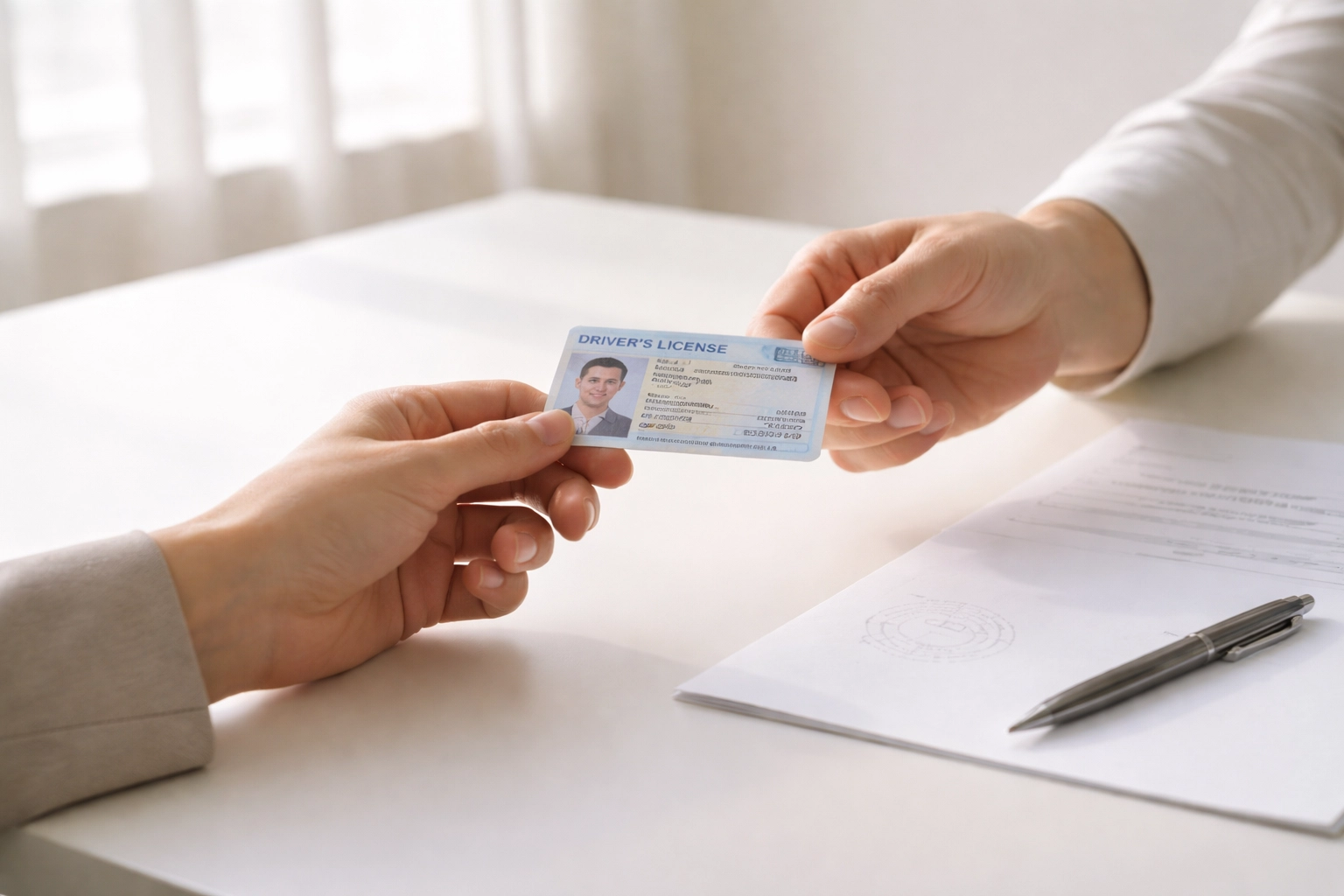
1. Identity Verification
Before I can notarize anything, I need to confirm that you are, in fact, the person named on the document. Under AS 44.50.075, Alaska notaries can verify identity through:
Personal knowledge (I already know you personally), or
Satisfactory evidence, which typically means a valid, government-issued photo ID like a driver's license, state ID, passport, or military ID.
This step is non-negotiable. If I can't verify your identity, I can't notarize the document, no exceptions. It's one of the most important fraud-prevention tools in my toolbox.
2. Willingness
A notary must also make sure you're signing the document voluntarily. If something seems off, like you appear nervous, confused, or like someone is pressuring you, I'm trained to pause and ask questions.
Why does this matter? Imagine someone being coerced into signing over property rights or a power of attorney. The notary's job is to be a safeguard against that kind of exploitation. If a signer later claims they were forced or misled, the notarization provides a layer of legal protection.
3. Awareness
Finally, I need to assess whether you understand what you're signing. This doesn't mean I read the entire document to you or explain the legal terms (more on that in a minute), but I do need to make sure you're mentally present and aware of the transaction.
If someone appears disoriented, intoxicated, or otherwise unable to comprehend the document, a responsible notary will decline to proceed.
Common Notarial Acts (The Stuff We Actually Do)
Now that you know why notarization exists, let's talk about what notaries actually perform. In Alaska, the most common notarial acts include:
Acknowledgments
An acknowledgment is when you appear before a notary and confirm that:
You signed the document (or are about to sign it)
You did so willingly
You understand what it is
This is one of the most common types of notarization. You'll see it on deeds, powers of attorney, and many other legal documents.
Under AS 44.50.062, the notary certifies that the signer appeared, was identified, and acknowledged the signature as their own voluntary act.
Jurats (Verification Upon Oath or Affirmation)
A jurat is a little different. With a jurat, you're not just acknowledging your signature, you're swearing or affirming that the contents of the document are true.
Think of affidavits or sworn statements. The notary administers an oath ("Do you swear that the statements in this document are true?"), and you sign in front of them.
Alaska law covers this under AS 44.50.064. The key difference from an acknowledgment? You're making a promise about the truthfulness of the document's contents, not just confirming your identity and willingness.
Oaths and Affirmations
Sometimes a notary is asked to administer an oath or affirmation without a document involved. This might happen in certain legal or official proceedings. An oath is a solemn promise invoking a higher power, while an affirmation is a secular equivalent for those who prefer not to swear religiously.
Copy Certifications
In some cases, a notary can certify that a photocopy of a document is a true and accurate copy of the original. However, this comes with restrictions, for example, notaries generally cannot certify copies of vital records like birth certificates (those need to come from the issuing agency).

The Personal Appearance Requirement
Here's something important: you must appear in person before a notary for most notarial acts in Alaska.
Under AS 44.50.072, the signer and the notary must be able to see, hear, and communicate with each other directly. This means face-to-face interaction, not a phone call, not a video chat (unless we're talking about Remote Online Notarization, which is a topic for another post!).
This requirement exists because so much of what a notary does depends on observing you. Are you who you say you are? Do you seem willing? Are you aware of what's happening? These are things I can only assess when we're in the same room together.
Why Mobile Notary Services Matter in Alaska
Now, here's where things get real for those of us living in rural Alaska.
If you're in Delta Junction, Fort Greely, or anywhere in the Interior, you know that "just running to the bank" for a notary isn't always an option. Banks have limited hours. Offices close early. And driving an hour (or more) in -40°F weather just to get a signature witnessed? No thank you.
That's where mobile notary services come in.
As a mobile notary, I come to you, whether that's your home, your office, a coffee shop, or the base. I offer flexible scheduling, including after-hours and weekend appointments, because life doesn't always happen between 9 and 5.
For military families going through a PCS move, this is especially helpful. There are so many documents that need notarization, powers of attorney, vehicle titles, lease agreements, and time is always tight. Having a notary who understands military life and can meet you where you are? That's a game-changer.

What a Notary CAN'T Do
Before we wrap up, let's clear up a common misconception.
A notary is not an attorney.
I can't give you legal advice. I can't tell you whether you should sign a document or explain what the legal terms mean. I can't draft documents for you or represent you in any legal matter.
My job is to verify identity, witness signatures, and perform the notarial acts authorized by Alaska law. That's it.
If you have questions about what a document means or whether it's in your best interest to sign, please consult with a licensed attorney.
Disclaimer:Arctic Trekking, LLC and its notaries are not attorneys licensed to practice law and may not give legal advice or accept fees for legal advice. If you need legal counsel, please consult a qualified attorney.
Wrapping Up
So there you have it: the basics of what a notary public actually does!
To recap:
We're impartial witnesses appointed by the state
We verify your identity and make sure you're signing willingly and knowingly
We perform specific notarial acts like acknowledgments, jurats, and oaths
We cannot give legal advice: that's for attorneys
We follow the laws set out in Alaska Statute 44.50
Stay tuned for the next post in our Notary 101 series, where we'll dive deeper into the difference between acknowledgments and jurats (and why it matters which one your document needs).
Got questions? Need to schedule a mobile notary appointment in Delta Junction, Fort Greely, or the surrounding Interior Alaska area? Reach out to Arctic Trekking, LLC( I'd love to help!)
Comments