
Seward's Day Series Part 1: Why Russia Wanted Out of Alaska
This is Part 1 of our 'Seward's Day: The Road to Alaska' series. As we approach Seward's Day (March 30th), let's dive into how Alaska went from Russian territory to American soil, and why Russia was so eager to let it go.
Every year on the last Monday of March, Alaskans celebrate Seward's Day. It commemorates the signing of the Alaska Purchase treaty on March 30, 1867, the day Secretary of State William Seward convinced the U.S. to buy this massive chunk of land from Russia for $7.2 million (about 2 cents an acre).
But here's the thing most people don't realize: Russia was practically begging to sell.
This wasn't some shrewd American negotiation where we talked them down from a higher price. By the mid-1860s, Russia was looking at Alaska like someone trying to unload a broken-down RV on Craigslist. Sure, it looked impressive, but it was costing them a fortune, nobody wanted to live there, and they were genuinely worried someone might just take it from them anyway.
Let's rewind and look at why one of the world's superpowers was so desperate to dump what would become America's largest state.
The Crimean War: Russia's Expensive Wake-Up Call
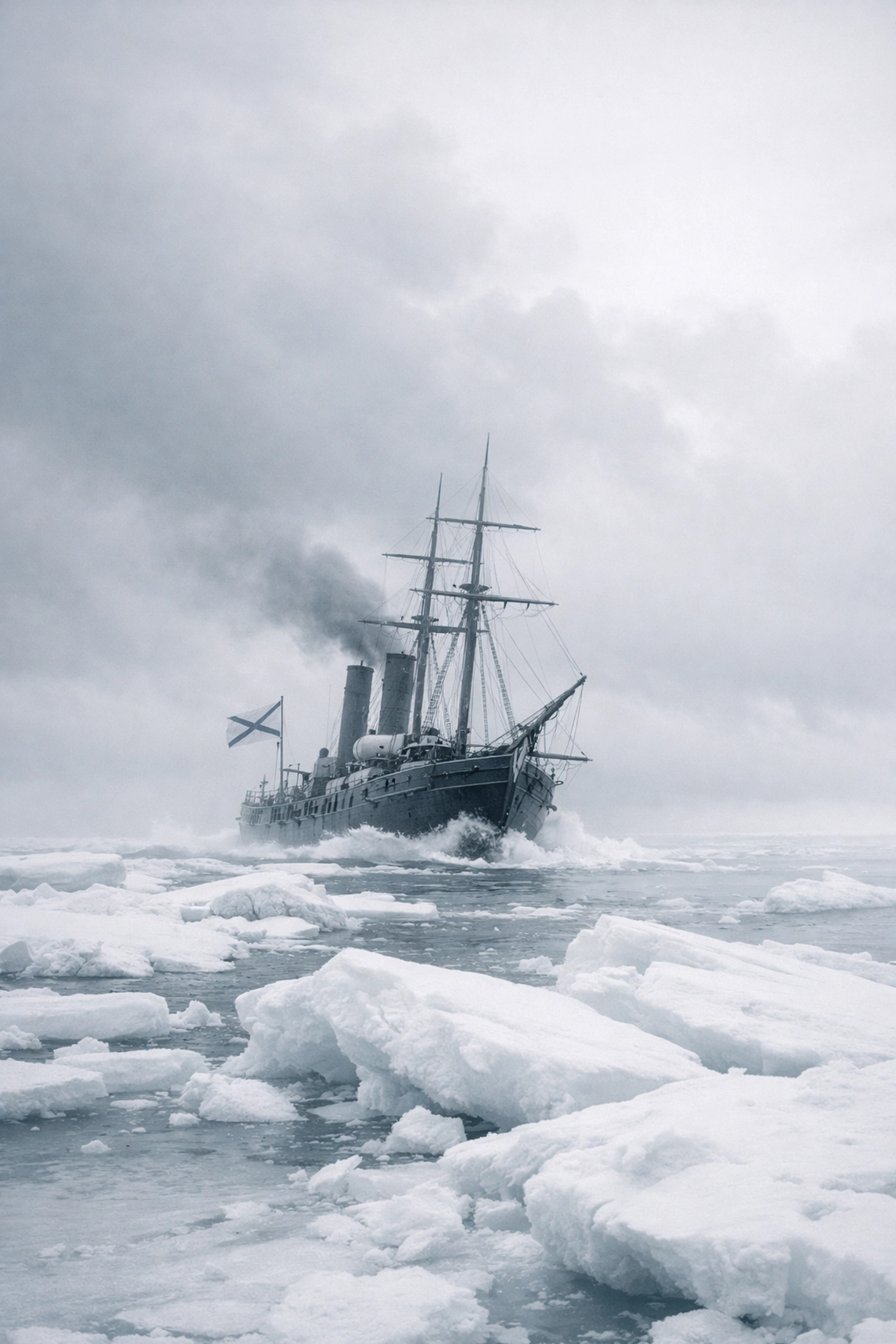
To understand Russia's Alaska problem, we need to talk about the Crimean War (1853-1856). This conflict pitted Russia against an alliance of the Ottoman Empire, France, Britain, and Sardinia: and Russia got absolutely hammered.
The war was a disaster on multiple levels. Russia lost around 500,000 soldiers and drained its treasury fighting a war it ultimately couldn't win. But more importantly for Alaska's fate, the Crimean War exposed Russia's strategic vulnerability: their navy couldn't protect distant territories.
During the war, British and French naval forces controlled the sea routes. Russian supply ships heading to Alaska became sitting ducks. The empire realized it couldn't adequately defend or even supply Alaska if things got ugly. And in the 1860s geopolitical climate, things could get ugly fast.
By 1856, Russia was deeply in debt, militarily humiliated, and painfully aware that Alaska: sitting thousands of miles from Moscow across frozen wilderness: was basically indefensible.
The Sea Otter Gold Rush That Went Bust
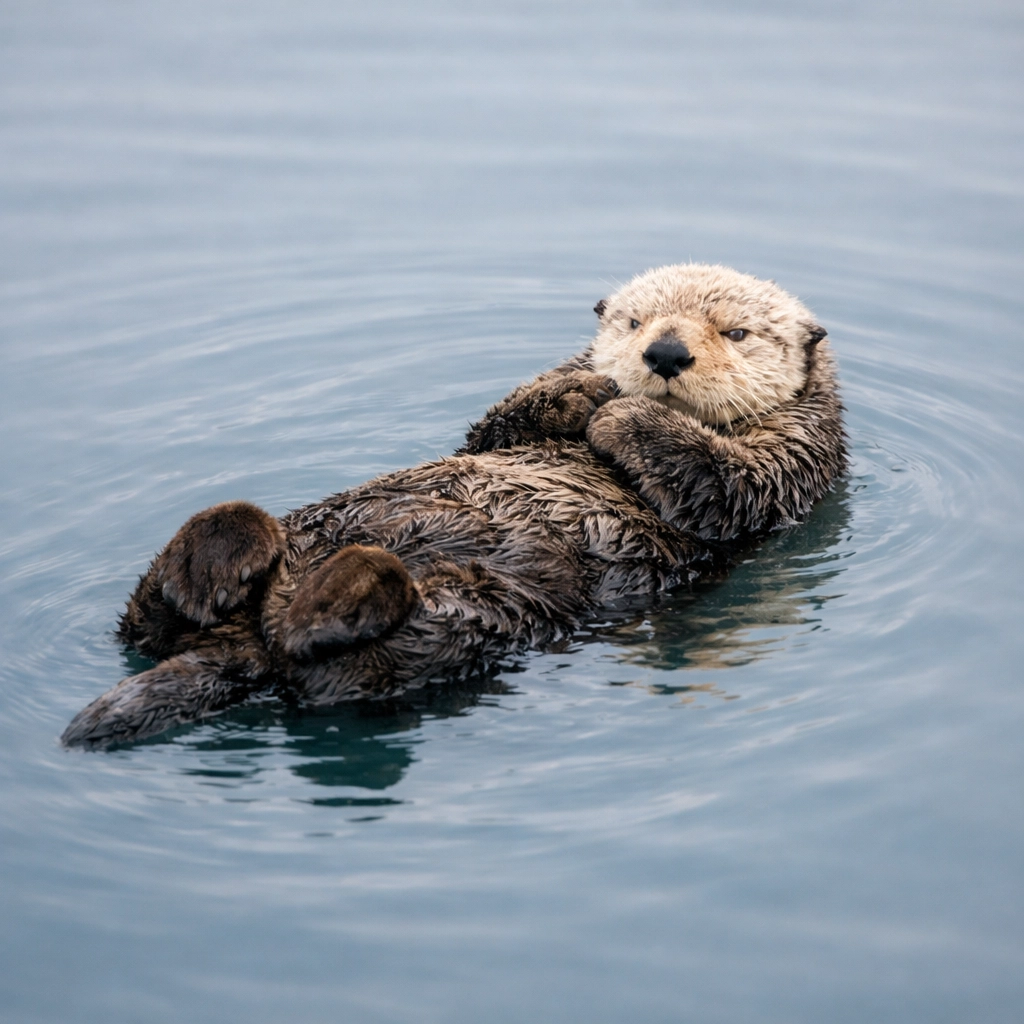
Here's something that might surprise you: Alaska wasn't always considered a frozen wasteland. For decades, it was actually a valuable Russian asset: thanks to one specific critter: the sea otter.
In the early 1800s, sea otter fur was liquid gold. Thick, luxurious, and highly prized in Asian markets, particularly China, these pelts commanded premium prices. Russian merchants made fortunes by purchasing furs from Alaska Native peoples (usually at artificially low prices) and shipping them overseas.
But here's where things went south, literally and figuratively.
The Russians, along with indigenous hunters working under coercion, hunted sea otters with zero regard for sustainability. By the early 19th century, the sea otter population was nearly extinct along Alaska's coast. Within about 20 years of aggressive harvesting, the colony's most profitable trade simply... disappeared.
Without the fur trade propping up the economy, Alaska became a massive money pit. The colony required constant financial support from the imperial treasury but generated almost no revenue in return. The harsh climate made agriculture nearly impossible, and there were no other exploitable resources that Russia knew about (spoiler alert: they had no idea about the gold and oil sitting under their feet).
Too Cold, Too Far, Too Expensive
Let's be honest: Alaska in the 1860s wasn't exactly a hot real estate market.
The Russian-American Company, which administered the territory, struggled to attract settlers. The climate was brutal, especially for people coming from European Russia. The distances were staggering: it took months to travel between Alaska and Moscow. Supply ships were expensive to run and could only make the journey during certain seasons.
The colonial administration in Sitka (then called New Archangel) was chronically understaffed and underfunded. Meanwhile, the indigenous populations, understandably resentful of Russian exploitation, weren't exactly welcoming to new colonists.
Russia increasingly viewed Alaska as a strategic liability rather than an asset. The empire was shifting its focus eastward toward Central Asia and the Pacific: regions much closer to home and easier to control.
The British Problem
If all those issues weren't enough, Russia had another major concern keeping them up at night: Britain.
British forces were already well-established in neighboring Canada, and Britain's navy was the strongest in the world. During the Crimean War, Russia realized that if Britain ever decided to take Alaska, there was virtually nothing Russia could do to stop them.
This wasn't paranoia: it was a legitimate strategic concern. Russia and Britain had been rivals for decades, and the possibility of future conflict was very real. Russian officials reasoned that if they were going to lose Alaska anyway (either through military conquest or gradual British encroachment), they might as well sell it on their own terms and get something for it.
Plus, there was a certain appealing logic: if they sold Alaska to the United States, at least it wouldn't end up in British hands. Russia and America had relatively friendly relations at the time, and strengthening the U.S. as a Pacific power could serve as a counterbalance to British influence in North America.
The Wilderness Then vs. Now
It's wild to think about how Alaska was perceived in the 1860s versus how we view it today.
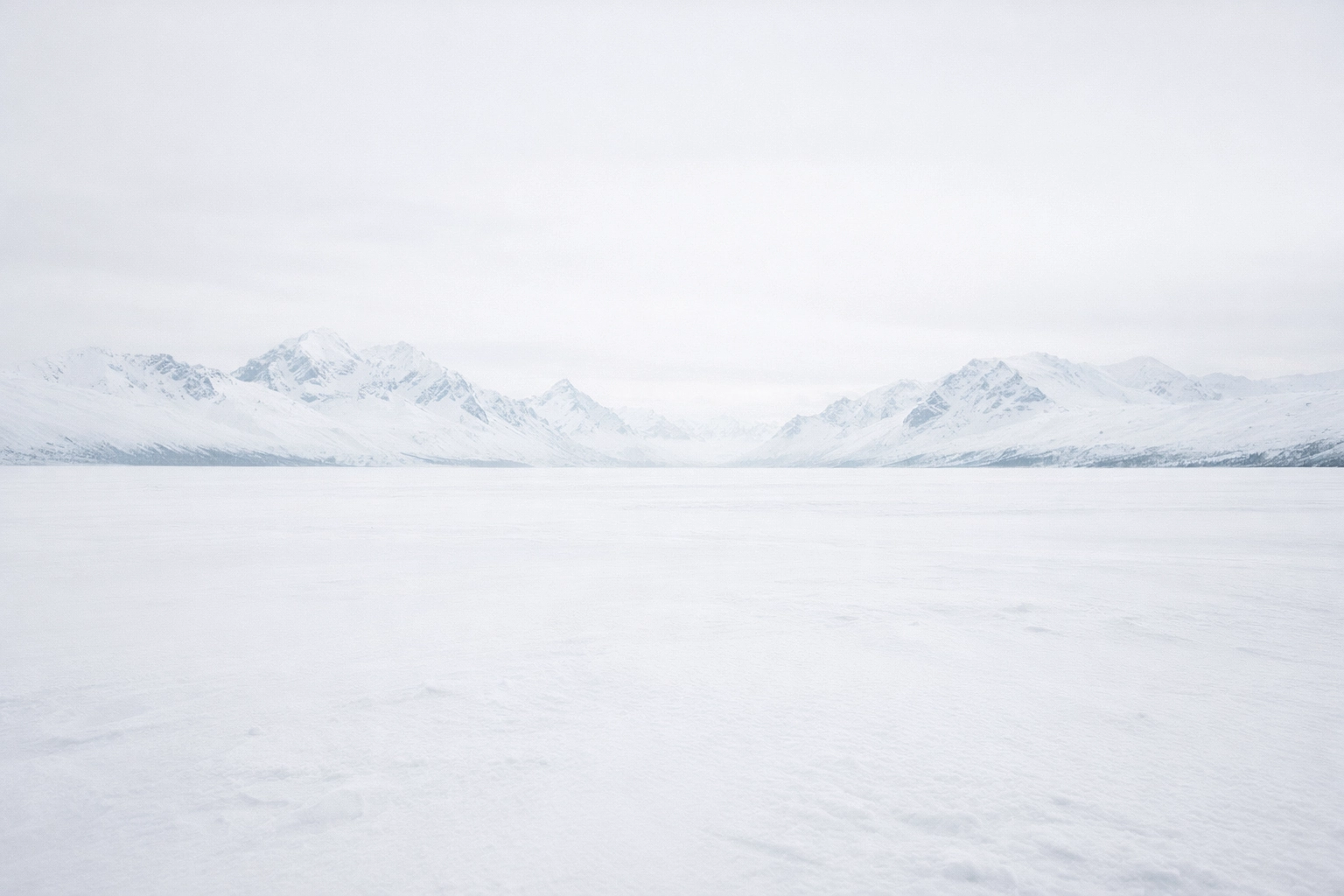
Then: A frozen, unprofitable wasteland. A colonial failure. A territory so remote and inhospitable that maintaining it was literally not worth the cost.
Now: America's last frontier. A state rich in oil, minerals, seafood, and natural beauty. Home to pristine wilderness that draws tourists from around the world. A strategic military position during the Cold War and beyond.
Russia had no idea they were sitting on:
Billions of barrels of oil
Massive gold deposits (discovered just 30 years later in the Klondike)
Incredible fisheries that would become an economic powerhouse
Strategic military positioning that would prove invaluable during WWII and the Cold War
But hindsight is 20/20. In 1866, Russia just wanted out.
Setting the Stage for Seward
By 1866, Russia had made its decision: Alaska had to go. The question was to whom?
Russian diplomats, particularly Baron Eduard de Stoeckl (the Russian minister to the United States), began quietly sounding out American officials about potential interest in purchasing the territory. They found a surprisingly eager listener in William Seward, Lincoln's Secretary of State who had stayed on under President Andrew Johnson.
But that's a story for Part 2 of our series: where we'll dive into the actual negotiations, Seward's vision for American expansion, and why some Americans thought buying Alaska was the worst idea ever.
Stay tuned for Part 2: Seward's Folly or Seward's Genius?
Living in the Interior and need notary services? Whether you're in Fairbanks, Fort Greely, Delta Junction, or anywhere in between, Arctic Trekking, LLC brings mobile notary services to you: because sometimes you need a notary as reliable as Alaska's history is fascinating.
Disclaimer: I am not an attorney licensed to practice law and may not give legal advice or accept fees for legal advice. This blog post is for informational and entertainment purposes only.
Powered by Marblism
Comments