
Notary 101: Why Does a Notary Need a Stamp and Journal?
- Danielle Montoya
- Feb 16
- 5 min read
You've probably seen it before, that satisfying thunk of a notary stamp hitting paper, leaving behind an official-looking imprint. Maybe you've also noticed your notary jotting down information in a thick, bound book before completing your transaction.
But have you ever stopped to wonder why notaries use these tools? Are they just for show, or do they actually serve a real purpose?
Spoiler alert: They're not just for show. Both the notary stamp and journal are essential tools that protect you, your documents, and yes, even the notary. Let's break down exactly why these two items matter so much in the notarization process.
The Notary Stamp: Your Document's Seal of Approval
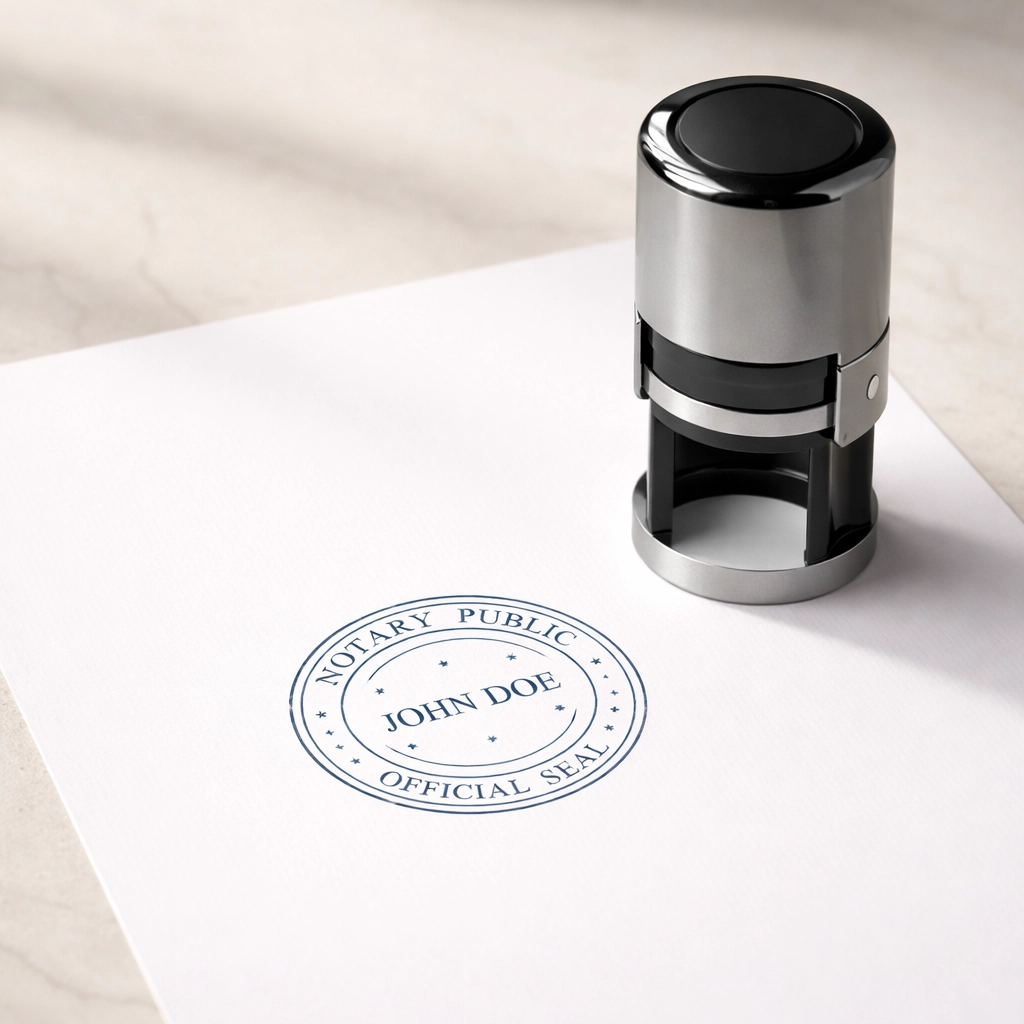
Think of the notary stamp (also called a notary seal) as your document's official stamp of approval. Without it, your notarized document might as well just be... a regular document.
What Makes the Stamp So Important?
The notary stamp is what transforms a simple signature verification into a legally recognized notarial act. Here's why it matters:
It authenticates the notarization. When a notary places their stamp on your document, they're essentially saying, "I verified this person's identity, witnessed this signature, and I'm putting my professional reputation on the line to confirm it." That stamp is what makes the notarization legally valid.
It's required by law. Every state in the U.S. requires notaries to use an official stamp or seal. Without that stamp, your document could be rejected by courts, government agencies, title companies, or any other entity that requires notarized paperwork. Imagine going through the whole notarization process only to have your document kicked back because it's missing that crucial stamp!
It contains important identifying information. A notary stamp isn't just a generic "NOTARIZED" mark. It includes specific details that link the notarization directly to the notary who performed it, including:
The notary's full legal name
Their commission number
Their commission expiration date
The state (and sometimes county) where they're commissioned
Sometimes a seal manufacturer's identification number
All of this information creates a traceable record. If anyone ever questions the validity of your notarization, these details make it possible to verify that a real, commissioned notary performed the service.
Fraud Prevention Through Accountability
Here's where things get really important, especially if you're concerned about identity theft or document fraud (and honestly, who isn't these days?).
Because every notary stamp contains unique identifying information, every single notarization can be traced back to a specific notary public. This accountability discourages fraud and ensures that notaries take their responsibilities seriously. A notary who cuts corners or fails to properly verify identities knows their name is literally stamped on that document forever.
If something goes wrong down the line, say, someone disputes a signature or claims fraud, investigators can track down exactly which notary performed the service, when their commission was valid, and whether proper procedures were followed.
Pretty smart system, right?
The Notary Journal: Your Paper Trail Protection
Now let's talk about the notary journal, sometimes called a notary record book or notary log. While the stamp makes your document official, the journal creates a permanent record of the transaction.
What Goes in a Notary Journal?
Every time a notary performs a notarial act, they should record key details in their journal, including:
The date and time of the notarization
The type of notarial act performed (acknowledgment, jurat, oath, etc.)
A description of the document being notarized
The signer's name and address
How the signer's identity was verified (ID type, ID number, etc.)
The signer's signature (in many cases)
Any fees charged
Additional notes about the transaction
This might seem like a lot of paperwork, but every single piece of information serves a purpose.

How the Journal Protects YOU
Here's the thing many people don't realize: the notary journal isn't just for the notary's benefit. It protects you as the client in several important ways.
Evidence in case of disputes. Let's say you notarized a power of attorney document two years ago, and now someone is claiming you never actually signed it. That notary journal entry, complete with your signature, the date, and details about your ID, serves as independent evidence that yes, you were there, you signed the document, and your identity was properly verified.
Protection against identity theft. If someone tries to impersonate you and get documents notarized in your name, a diligent notary's journal can help catch the fraud. The detailed records of ID verification, physical descriptions, and signatures can be compared to expose impostors.
Reconstruction of lost documents. If your original notarized document gets lost, damaged, or destroyed, the notary's journal entry can help establish what was notarized and when. While it can't replace the original document, it provides valuable documentation for obtaining replacements or proving the notarization occurred.
Accountability for everyone involved. Just like the stamp creates accountability for the notary, the journal creates accountability for signers too. Knowing that their information is being recorded in a permanent log tends to discourage people from attempting fraudulent acts.
Best Practices for Security
While not every state legally requires notaries to keep a journal (though many do), it's considered a best practice in the notary industry. Here at Arctic Trekking, LLC, we maintain detailed journal records for every notarization we perform, because your security matters to us.

What This Means for You as a Client
When you work with a notary who uses both a proper stamp and maintains a thorough journal, you're getting:
Legal validity – Your documents will be accepted where they need to go
A permanent record – Evidence exists that the notarization took place
Identity verification documentation – Proof that proper procedures were followed
Peace of mind – Knowing there's a paper trail if anything ever comes into question
Questions to Ask Your Notary
Not sure if your notary is following best practices? Here are a few questions you can ask:
Do you maintain a notary journal?
What information do you record for each transaction?
How long do you keep your journal records?
Is your notary stamp current and unexpired?
A professional notary won't mind answering these questions. In fact, they'll probably appreciate that you're taking the process seriously!
The Bottom Line
The notary stamp and journal might seem like old-fashioned tools in our digital age, but they serve critical functions that protect everyone involved in a notarization. The stamp makes your document legally valid and creates accountability for the notary. The journal creates a permanent record that can protect you in case of disputes, fraud, or identity theft.
Together, they form a security system that's been refined over centuries, and it works.
So the next time you hear that satisfying thunk of a notary stamp or watch your notary carefully recording information in their journal, you'll know exactly why those steps matter. It's not just paperwork for paperwork's sake. It's protection for you and your important documents.
Have questions about the notarization process? Need to get a document notarized in the Interior Alaska area? Reach out to Arctic Trekking, LLC, we're happy to help and even happier to explain exactly what we're doing and why!
Disclaimer: I am not an attorney licensed to practice law and may not give legal advice or accept fees for legal advice. The information provided in this blog post is for educational purposes only and should not be considered legal counsel. If you have specific legal questions about your documents, please consult with a qualified attorney.
Military ID Disclaimer: Military IDs cannot be copied by law.
Comments