
From Clay Tablets to Smartphones (Part 3): The Digital Future of Notarization
- Danielle Montoya
- Feb 13
- 6 min read
Welcome back to the final chapter of our journey through notary history! In Part 1, we traveled from ancient Egypt to the Roman Empire. In Part 2, we watched notaries evolve through medieval Europe and make their way to the American frontier. Now? We're living in the most exciting era yet, where notarization is going fully digital.
Buckle up, because the future is already here, and it's moving fast.
The Digital Revolution Hits Notarization
For thousands of years, notarization required three things: a physical document, a physical notary, and a physical witness. That framework held strong from Roman scribes all the way to your local courthouse in 2020.
Then COVID-19 happened.
Overnight, the world realized we needed a way to notarize documents without being in the same room. Remote Online Notarization (RON) wasn't exactly new, a few states had already legalized it, but the pandemic turned it from a "nice-to-have" into a "must-have." Suddenly, notaries were conducting notarizations via video call, and clients were signing documents from their kitchen tables in pajamas.
And honestly? It worked.
What Is Remote Online Notarization (RON)?
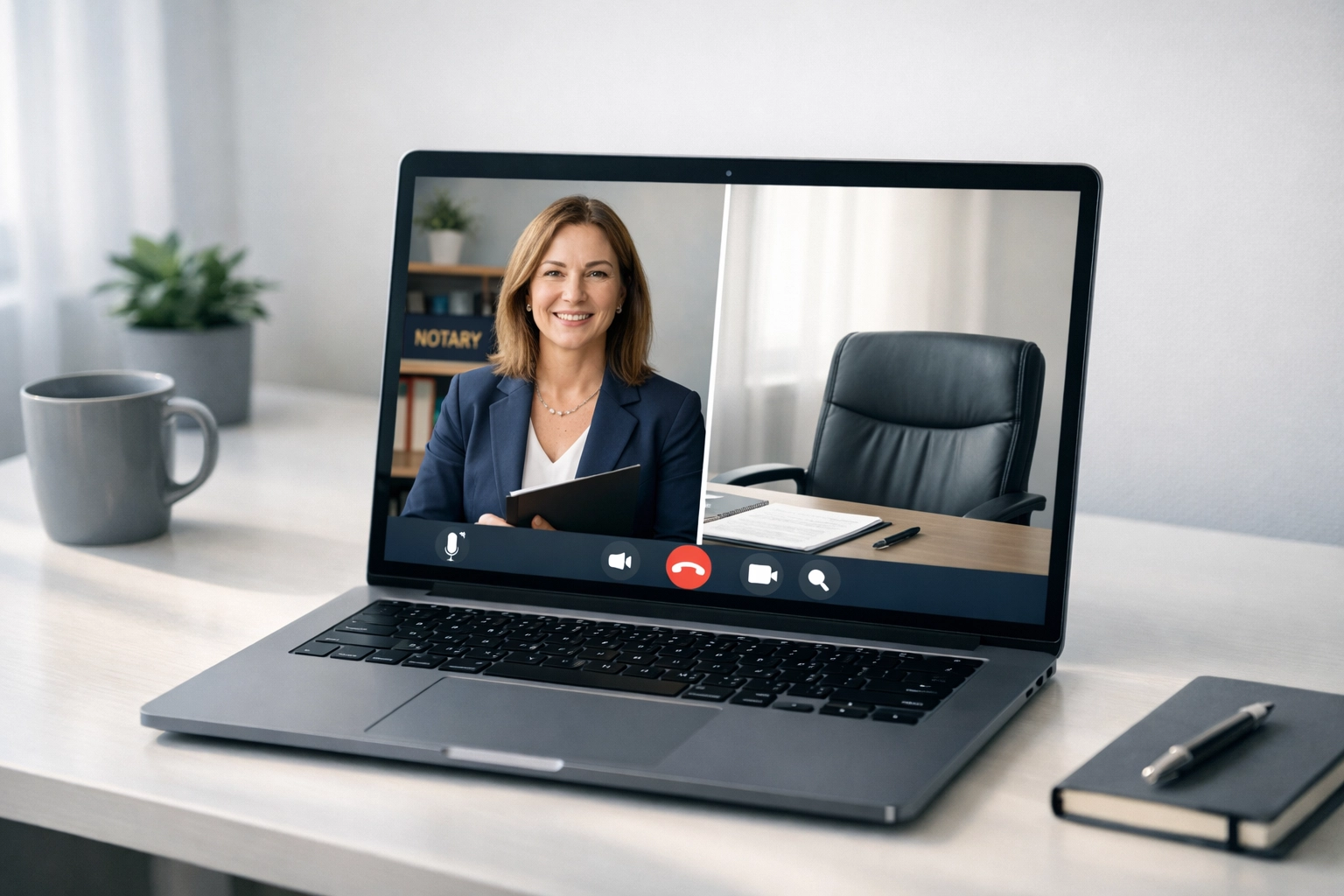
Think of RON as notarization over Zoom, but with way more security and legal backing. Here's how it works:
Video Conference: The notary and signer meet via a secure, encrypted video platform.
Identity Verification: The signer's ID is scanned and verified using knowledge-based authentication (like answering questions about their credit history or past addresses).
Electronic Signature: The document is signed digitally using tamper-proof software.
Digital Seal: The notary applies their electronic seal and signature to complete the process.
Secure Storage: The entire session is recorded and stored in a secure cloud system for future verification.
No more driving across town. No more waiting in line at the bank. Just you, your laptop, and a notary who can meet you wherever you are.
As of 2026, most U.S. states have legalized RON in some form, and more are joining every year. The SECURE Notarization Act, currently making its way through Congress, aims to create a national standard so RON is recognized across all 50 states. If it passes, you'll be able to get a document notarized in Alaska and have it accepted in Florida without a hitch.
The Tech Behind the Magic
RON wouldn't be possible without some seriously cool technology. Let's break down what's happening under the hood.
Multi-Layered Identity Verification
Gone are the days when a driver's license was enough. Modern RON platforms use a cocktail of security measures:
Automated ID Scanning: High-resolution cameras capture and analyze government-issued IDs for authenticity.
Knowledge-Based Authentication (KBA): Signers answer multiple-choice questions pulled from public records, things only they would know.
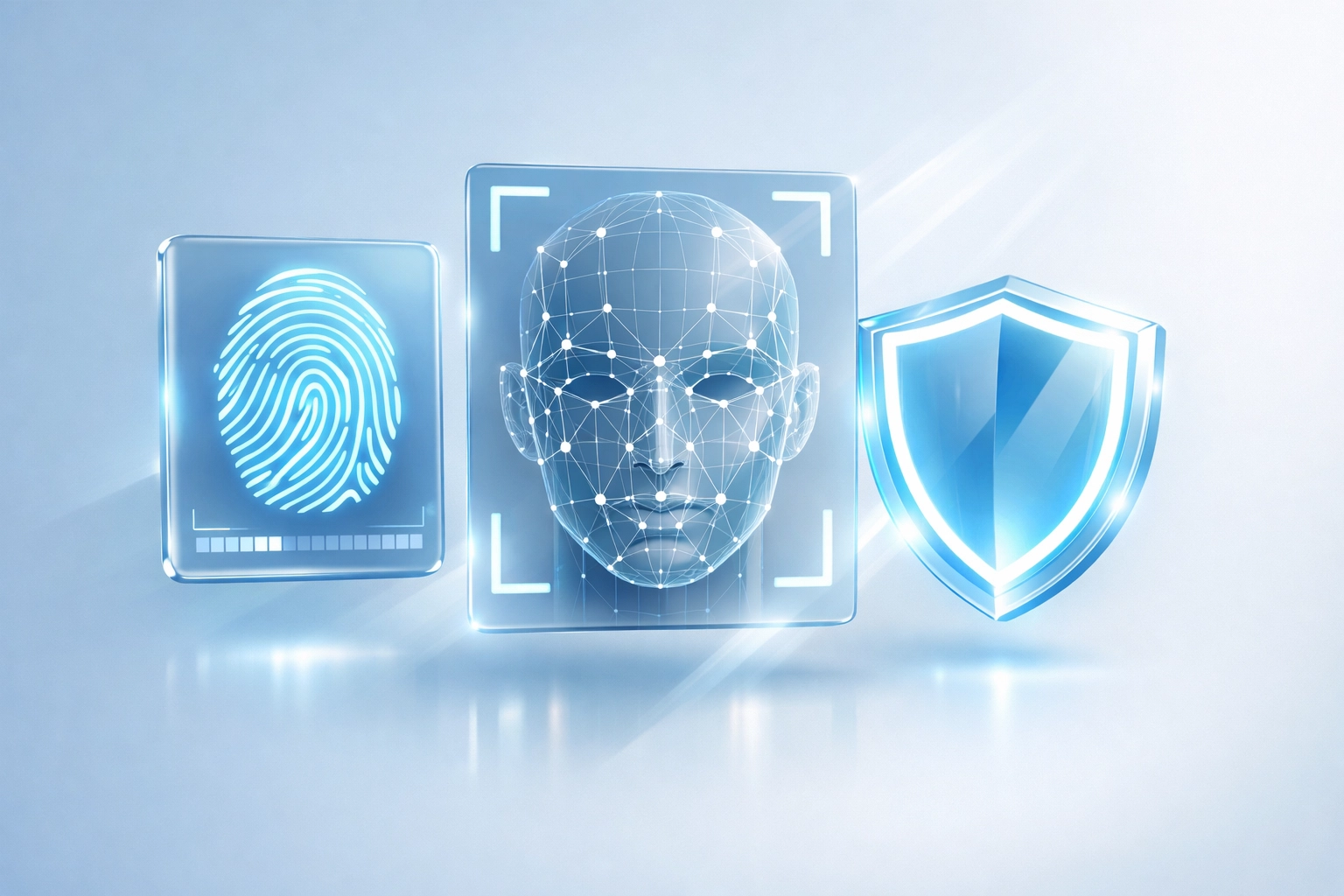
Biometric Verification: Facial recognition software compares the person on the video call to the photo on their ID.
Liveness Detection: Advanced systems can tell if someone is holding up a photo of a person versus actually being that person. (Yes, people have tried the photo trick.)
These layers work together to create a system that's often more secure than in-person notarizations. After all, a notary meeting you for the first time in a coffee shop might not scrutinize your ID as closely as an AI algorithm trained to spot forgeries.
Artificial Intelligence Is Watching (In a Good Way)
AI is becoming a notary's best assistant. Machine learning algorithms can:
Flag suspicious behavior during video sessions (like someone coaching the signer off-camera).
Detect document tampering by analyzing formatting inconsistencies.
Automate scheduling by predicting peak demand times and matching notaries with clients.
Analyze signing patterns to identify potential fraud or coercion.
Some platforms even use chatbots to guide clients through the notarization process, answering basic questions and preparing them for the session. It's like having a personal assistant who never sleeps.
Blockchain: The Notary's New Best Friend
Here's where things get really futuristic. Blockchain technology, the same tech behind cryptocurrencies, is being integrated into notarization systems.
Why? Because blockchain creates an immutable record of every notarization. Once a document is notarized and recorded on a blockchain, it can't be altered, backdated, or destroyed. Ever. The record exists forever, distributed across a decentralized network.
This is huge for:
Legal disputes: Instant proof that a document was notarized on a specific date and hasn't been tampered with.
International transactions: Blockchain records can be verified across borders without waiting for government agencies to validate them.
Smart contracts: Imagine a notarized document that automatically triggers the next step in a transaction (like releasing funds in escrow) without needing a middleman.
The UK government has already started exploring blockchain for legal and regulatory purposes, and other countries are following suit. In the next decade, blockchain-based notarization could become the global standard.
What Does This Mean for Alaska?
So, with all this digital wizardry, are mobile notaries like me going extinct? Not even close.
Here in Alaska, we face unique challenges. Many communities are remote, with limited internet access. A fishing village on the Aleutian Islands might not have the bandwidth for a seamless video notarization. And some clients, especially older folks or those handling sensitive documents, simply prefer a human being in the room.
That's where mobile notaries come in. We're the bridge between the old world and the new.
I still drive out to clients' homes, hospitals, and military bases. I still bring my ink stamp and embosser. But I also offer RON for clients who prefer it. The goal isn't to replace traditional notarization, it's to give people options.
Plus, certain documents still require extra verification. Real estate closings, estate planning documents, and healthcare directives often benefit from a notary who can read the room, answer questions, and ensure everyone understands what they're signing. A video call can't always replicate that level of trust and reassurance.

The Hybrid Future
According to Deloitte, the legal industry is expected to see a 20% increase in digital adoption over the next five years, with online notarization leading the charge. Banks and financial institutions are already using RON for loan approvals and account openings. Real estate companies are piloting fully digital closings. Even government agencies are exploring ways to accept digitally notarized documents.
But here's the thing: the future isn't all-digital or all-traditional. It's both.
Clients will choose the method that works best for them. Some will love the convenience of RON. Others will want a notary at their kitchen table. Both options are valid, and both will coexist for the foreseeable future.
As a mobile notary in 2026, I'm not worried about robots taking my job. I'm excited about the tools that make my job easier and more accessible for my clients. RON lets me serve people across Alaska without putting 500 miles on my car in a single day. Blockchain gives my clients peace of mind that their documents are secure. AI helps me spot potential issues before they become problems.
Technology isn't replacing notaries. It's empowering us.
From Clay to Cloud
So, here we are. From ancient Egyptian scribes pressing seals into wet clay, to medieval monks illuminating manuscripts, to American pioneers notarizing land deeds by candlelight, we've come a long way.
Today, a signer in Anchorage can hop on a video call, verify their identity using facial recognition, sign a document with their finger on a touchscreen, and have the whole thing recorded on an unhackable blockchain ledger. All in under 15 minutes.
And yet, the core mission hasn't changed. Notaries are still witnesses. We're still here to prevent fraud, verify identities, and ensure that when someone signs a document, they're doing it freely and knowingly.
The tools have changed. The technology has evolved. But the trust? That's been the same for 5,000 years.
If you need a notary, whether you prefer a video call or a face-to-face meeting, Arctic Trekking, LLC is here for you. Because no matter how fancy the tech gets, nothing beats the peace of mind that comes from working with a real person who cares about getting it right.
Disclaimer: Arctic Trekking, LLC does not provide legal advice. I am not an attorney licensed to practice law and may not give legal advice or accept fees for legal advice. If you have questions about your legal rights or obligations, please consult a licensed attorney.
Powered by Marblism Military IDs cannot be copied by law.
Comments