
From Clay Tablets to Smartphones (Part 2): How Notaries Conquered the New World
- Danielle Montoya
- Feb 11
- 4 min read
Welcome back to our journey through notary history! In Part 1, we traveled from ancient Mesopotamia's clay tablets all the way through the Roman Empire, where the word "notarius" was born. Now it's time to fast-forward a few centuries and see how notaries evolved from serving kings and queens to helping build an entirely new nation.
Spoiler alert: Things got way more interesting when Columbus started sailing west.
When Notaries Served Kings (and Kept Their Heads)
Let's set the scene: It's medieval Europe, somewhere around the 1200s-1400s. If you're a notary during this time, congratulations, you've got one of the most powerful (and risky) jobs around.
Medieval notaries weren't just witnessing signatures on land deeds. They were drafting royal decrees, recording treaties between warring kingdoms, and documenting marriages that could literally change the fate of nations. Think of them as the original legal power brokers, working directly for kings, bishops, and nobles.
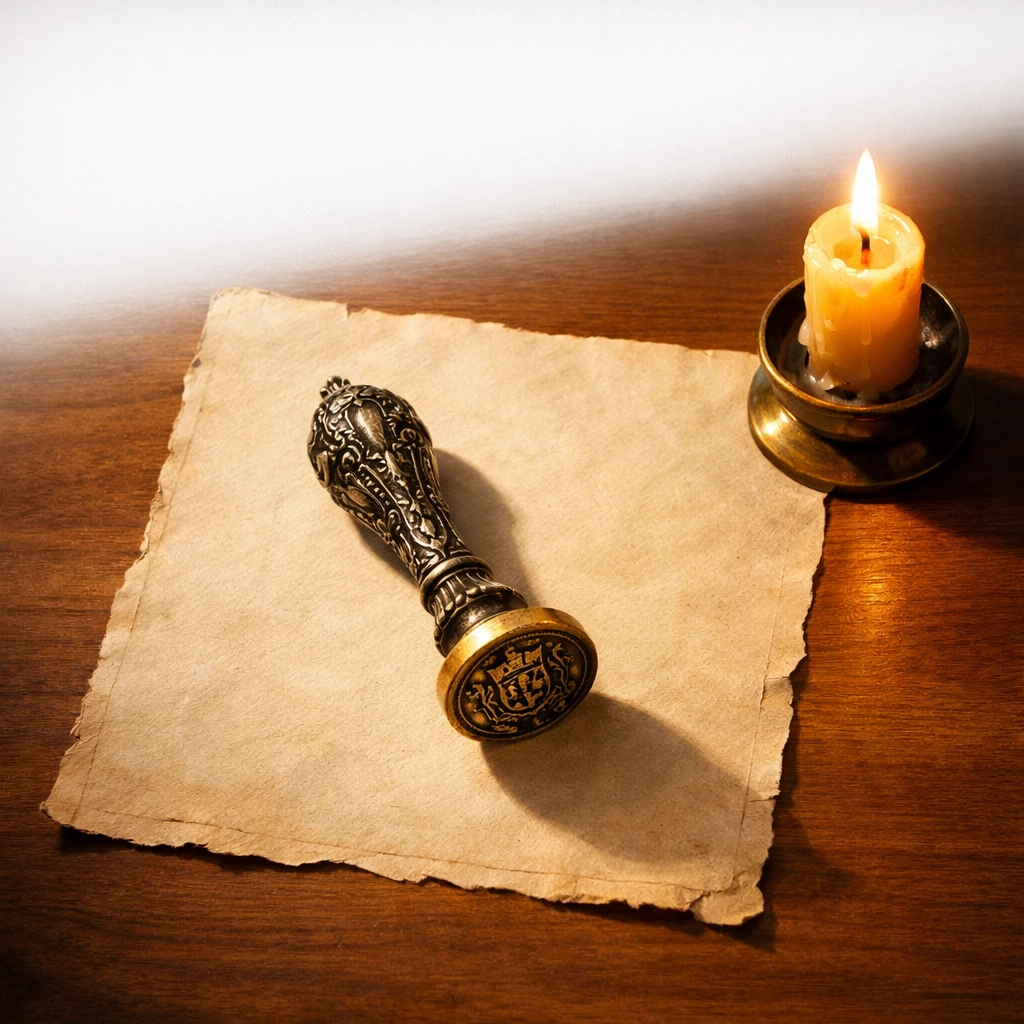
The Catholic Church also relied heavily on notaries during this period. Papal notaries documented church law, recorded ecclesiastical decisions, and helped manage the vast property holdings of monasteries and dioceses. In fact, many of the notarial practices we still use today, like the official seal and the sworn oath, come straight from medieval church traditions.
But here's the catch: Being a notary meant you had access to secrets. Royal marriages, land disputes, political alliances, all of it passed through your hands. One wrong move, one leaked document, and you could lose more than just your job. Let's just say job security looked a little different back then.
The Notary Sets Sail
Fast-forward to the Age of Exploration (roughly 1400s-1600s). European explorers were sailing off to "discover" new lands (we'll leave the problematic parts of colonization for the history books), and guess who came along for the ride?
Yep, notaries.
Christopher Columbus didn't just bring sailors and supplies on his ships. He brought a royal notary named Rodrigo de Escobedo, whose job was to document every new island, treaty with indigenous peoples, and claim of land for the Spanish Crown. When Columbus planted the Spanish flag in the Caribbean, it was Escobedo who made it official by recording the event in writing.
Why? Because even in the 1400s, people understood a fundamental truth: If it's not documented, it didn't happen.
Notaries traveled with conquistadors to South America, with French explorers to Canada, and with English settlers to what would become the United States. Everywhere Europeans went, they brought their legal systems, and their notaries, with them.
Welcome to the New World (Notaries Included)
When the first English colonists arrived in North America in the early 1600s, they didn't just pack food and tools. They packed laws. And laws need someone to enforce them, witness them, and, you guessed it, notarize them.
Colonial America needed notaries for the same reasons medieval Europe did: land transactions, wills, contracts, and official government documents. But there was a twist. In the colonies, notaries took on an even bigger role because they were often the only legal authority for miles.

In places like Virginia, Massachusetts, and Pennsylvania, notaries didn't just witness signatures, they also served as public record-keepers, mediators in disputes, and sometimes even acted as informal judges. They were the glue holding frontier communities together when formal courts were days (or weeks) of travel away.
And here's where things get uniquely American: Unlike European notaries, who were often trained lawyers or church officials, American notaries were regular citizens appointed by colonial governors. This made the role more accessible and democratic, a theme that would carry forward into the Revolution and beyond.
From Revolution to Republic
By the time the American Revolution rolled around in 1776, notaries were everywhere. They notarized enlistment papers for soldiers, documented supply contracts for the Continental Army, and verified oaths of allegiance to the new government.
After the war, as the United States began to take shape, each state created its own notary laws. Some states (like Louisiana, with its French legal heritage) gave notaries more power, while others kept the role simple and straightforward. But one thing stayed consistent: Notaries were essential to making sure documents were legitimate and trustworthy.
This was especially important in a young nation where land ownership was being established, businesses were forming, and people were constantly moving west into new territories. Notaries helped settlers prove they owned land, traders verify contracts, and families document wills and inheritances.
Without notaries, the early American legal system would have collapsed under the weight of disputes, fraud, and chaos.
The Frontier Notary
Imagine being a notary in the 1800s American West. You're in a mining town in California, or a trading post in the Dakota Territory, or maybe you're traveling with a wagon train heading to Oregon. There's no courthouse, no law office, and definitely no internet connection (shocking, I know).
But people still need documents notarized. Land claims. Business partnerships. Marriage certificates. And someone's got to do it.
Frontier notaries were part of the great American expansion, traveling to remote areas and providing legal services wherever they were needed. Sound familiar? That's basically what mobile notaries do today, we just use trucks instead of horses.

The Thread Through Time
Here's what's wild: Despite all the changes, from European courts to colonial settlements to frontier towns, the core job of the notary stayed the same.
Verify identity. Witness signatures. Prevent fraud. Protect people.
Whether you're a medieval scribe working for a king or a mobile notary driving to a military housing unit in Alaska, the mission is identical: Make sure documents are legitimate so people can trust the system.
That's the legacy that carried forward from the Old World to the New World, and it's the same legacy we uphold today at Arctic Trekking, LLC.
What's Next?
In Part 3 of this series, we're jumping into the 20th and 21st centuries to explore how notaries adapted to typewriters, copy machines, computers, and eventually smartphones. We'll talk about Remote Online Notarization (RON), digital signatures, and what it means to be a notary in 2026.
But for now, take a moment to appreciate the notaries who sailed across oceans, trekked through wilderness, and helped build entire nations, all while making sure the paperwork was in order.
Because honestly? That's pretty epic.
Disclaimer: Arctic Trekking, LLC does not provide legal advice. I am not an attorney licensed to practice law and may not give legal advice or accept fees for legal advice. If you need legal guidance, please consult a licensed attorney. Military IDs cannot be copied by law.
Powered by Marblism.
Comments